The Peptide Collective
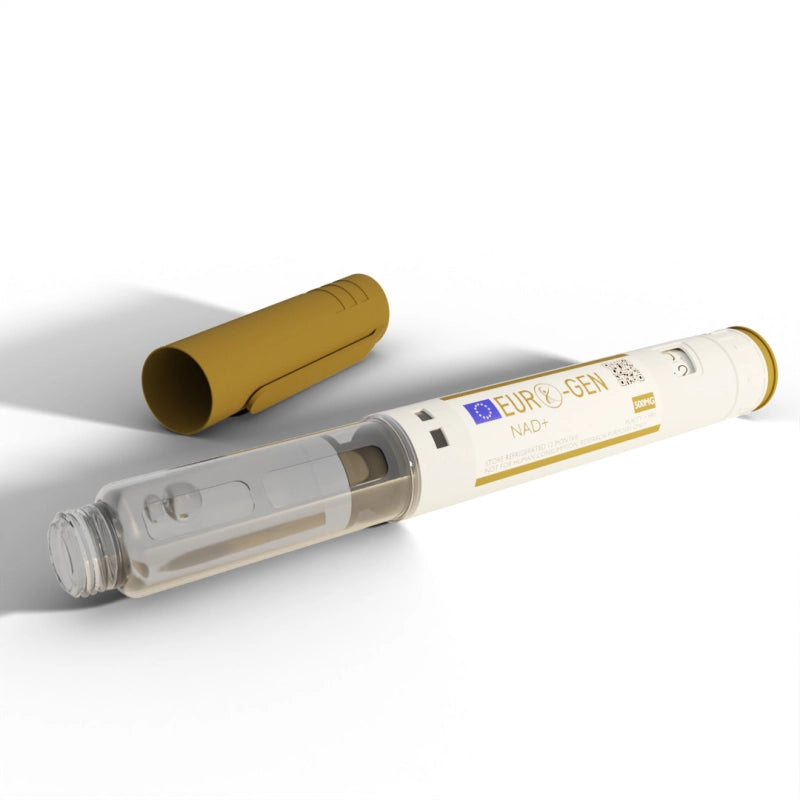
Euro-Gen NAD+ Pre-mixed Pen
Euro-Gen NAD+ Pre-mixed Pen
Couldn't load pickup availability
NAD+
| Structure | C21H28N7O14p2+ |
|---|---|
| Synonyms | Nicotinamide-Adenine-Dinucleotide |
| PubChem profile | NAD+ on PubChem |
Overview of NAD+
Research into NAD+ (Nicotinamide Adenine Dinucleotide) is expanding rapidly due to its central role in cellular metabolism, aging, and disease processes. NAD+ is crucial for a wide range of biological functions, particularly in energy production, DNA repair, and cellular signaling. Because NAD+ levels naturally decline with age, researchers are investigating how restoring or modulating NAD+ can promote healthspan, delay aging, and treat various age-related diseases. Below is a summary of ongoing research areas and their potential uses:
NAD+ and Aging
Aging and Longevity
NAD+ has been linked to the regulation of cellular metabolism and the aging process. As we age, NAD+ levels naturally decline in many tissues, and this reduction is thought to contribute to age-related cellular dysfunction and disease. A significant area of research is focused on whether boosting NAD+ levels could extend healthspan (the period of life spent in good health) and potentially increase lifespan.
Sirtuins Activation
NAD+ activates sirtuins, a family of proteins that regulate cellular functions such as metabolism, DNA repair, and stress resistance. The sirtuin pathway is heavily implicated in aging and longevity, and increasing NAD+ levels is thought to activate these pathways, potentially slowing down age-related diseases like Alzheimer's, Parkinson's, and cardiovascular disease.
NAD+ Boosting Interventions
Research is examining various methods to boost NAD+ levels, such as through the use of NAD+ precursors like nicotinamide riboside (NR) and nicotinamide mononucleotide (NMN), as well as strategies to enhance the body's ability to produce NAD+ naturally. Clinical trials are ongoing to test the effectiveness of these interventions in delaying aging and improving health outcomes in older adults.
NAD+ in Metabolic Diseases
Obesity and Diabetes
NAD+ is critical for energy metabolism, and its role in regulating mitochondrial function, insulin sensitivity, and fat metabolism is being actively studied. Since NAD+ levels decline with age, researchers are investigating whether boosting NAD+ could improve insulin sensitivity and treat or prevent metabolic conditions like type 2 diabetes and obesity.
Mitochondrial Dysfunction
NAD+ is essential for mitochondrial function, and mitochondrial dysfunction is a hallmark of metabolic diseases. Restoring NAD+ levels may improve mitochondrial health, reduce inflammation, and enhance energy production in cells, potentially addressing diseases like metabolic syndrome, fatty liver disease, and type 2 diabetes.
Caloric Restriction Mimicry
Some research suggests that boosting NAD+ could mimic the effects of caloric restriction, which has been shown to extend lifespan in animal models. Caloric restriction improves NAD+ metabolism, and drugs or supplements that boost NAD+ might replicate some of the beneficial effects without the need to reduce caloric intake.
NAD+ and Neurodegenerative Diseases
Alzheimer's Disease and Parkinson's Disease
NAD+ is involved in various neuroprotective pathways, including DNA repair and mitochondrial function, both of which are compromised in neurodegenerative diseases. Research is focused on whether restoring NAD+ levels could protect neurons, enhance brain function, and slow or even reverse neurodegenerative diseases like Alzheimer's, Parkinson's, and Huntington's disease.
DNA Repair
NAD+ is critical for DNA repair processes that maintain the integrity of neuronal DNA. In diseases like Alzheimer's, where DNA damage accumulates, NAD+ may play a role in preventing neuronal death and cognitive decline.
Sirtuin Activation in the Brain
Sirtuins, particularly SIRT1, have neuroprotective effects, and NAD+ is required for their activation. Research is ongoing into whether enhancing NAD+ levels can activate these sirtuins and protect brain cells from degeneration.
Cognitive Function
Studies are also investigating whether NAD+ supplementation can improve cognitive function in older adults, particularly those at risk for dementia and Alzheimer's disease.
NAD+ in Cardiovascular Health
Heart Disease and Vascular Function
NAD+ plays a critical role in maintaining the health of blood vessels, heart muscle cells, and vascular endothelium. As NAD+ levels decline with age, so does cardiovascular health. Researchers are exploring whether boosting NAD+ could improve vascular function, reduce arterial stiffness, and prevent age-related cardiovascular diseases like atherosclerosis and heart failure.
Endothelial Function and Nitric Oxide
NAD+ influences endothelial nitric oxide synthase (eNOS), which regulates blood vessel dilation. Research suggests that restoring NAD+ could improve blood flow and lower the risk of hypertension and heart disease.
Mitochondrial Health in Cardiomyocytes
NAD+ is also essential for the health of mitochondria in heart cells. Restoring NAD+ may enhance energy production in the heart, potentially protecting against conditions like heart failure and myocardial infarction.
NAD+ in Immune System Function
Immune Response and Inflammation
NAD+ plays a key role in the regulation of immune cells, including macrophages, T-cells, and dendritic cells. Research is focusing on how NAD+ modulates immune responses, particularly in the context of chronic inflammation, autoimmune diseases, and infection.
Immune Aging
As we age, the immune system weakens, leading to a phenomenon called immunosenescence. Studies are investigating whether boosting NAD+ can improve immune function in older adults and help protect against infections, cancer, and inflammatory diseases.
Inflammatory Diseases
NAD+ is involved in modulating inflammatory pathways, and its depletion is linked to chronic inflammation in conditions like arthritis, asthma, and inflammatory bowel disease (IBD). Research is exploring whether enhancing NAD+ can reduce inflammation and improve disease outcomes.
NAD+ in Cancer Therapy
Cancer Metabolism
NAD+ plays a crucial role in the metabolism of cancer cells. Many cancer cells have elevated NAD+ levels to support their rapid growth and survival. Some research is focusing on whether targeting NAD+ metabolism can inhibit cancer cell growth and enhance the effectiveness of chemotherapy and other treatments.
PARP Inhibitors
NAD+ is involved in the activity of PARP enzymes (poly(ADP-ribose) polymerases), which repair DNA damage. Some cancer treatments, particularly PARP inhibitors, aim to exploit NAD+ depletion in cancer cells. Research is exploring how modulating NAD+ levels can improve the efficacy of these therapies.
NAD+ and Tumor Microenvironment
Ongoing research is examining how NAD+ levels influence the tumor microenvironment, and whether increasing NAD+ could enhance the body's ability to fight cancer by improving immune function or reducing tumor-induced metabolic stress.
NAD+ as a Therapeutic Target
NAD+ Precursors
Clinical trials are investigating the use of NAD+ precursors like nicotinamide riboside (NR) and nicotinamide mononucleotide (NMN) to boost NAD+ levels in humans. These compounds are being tested for their ability to treat aging-related diseases, metabolic disorders, and neurodegenerative conditions.
Safety and Efficacy
Research is also focused on the long-term safety and efficacy of NAD+ supplementation, particularly in older adults or those with chronic diseases. Ongoing studies aim to determine the optimal doses and methods of administration.
Share